01
Faithful first
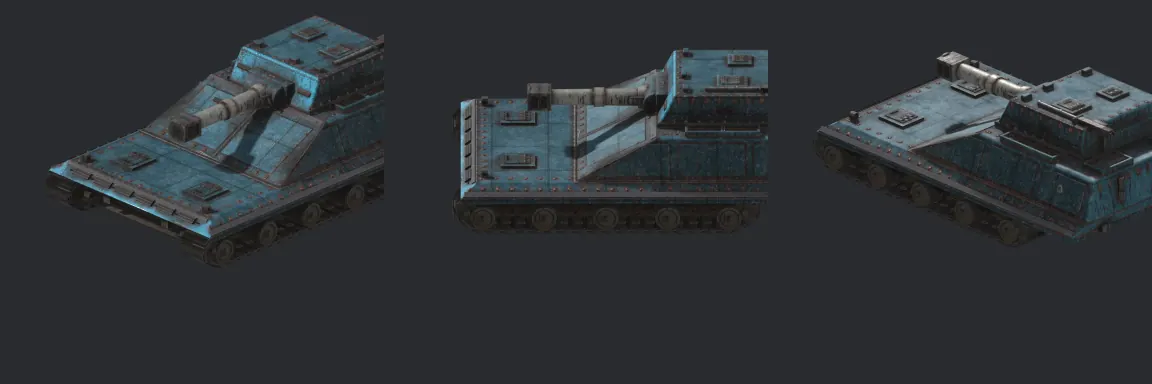
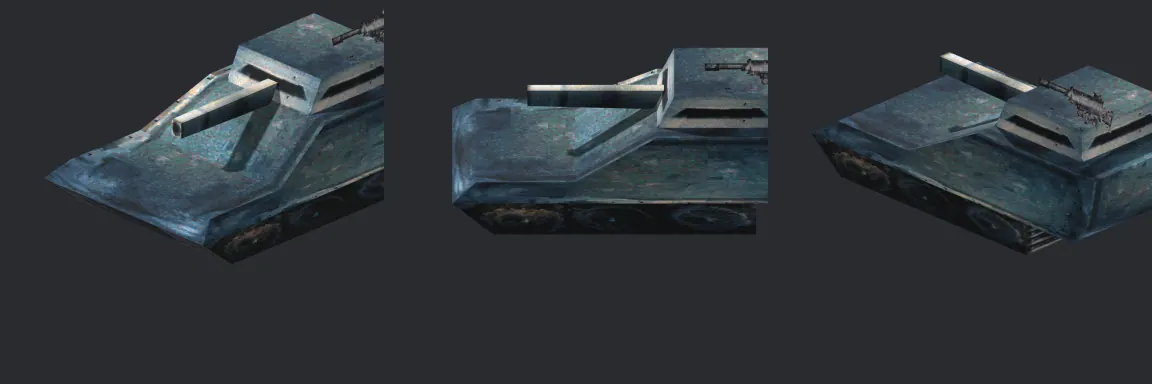
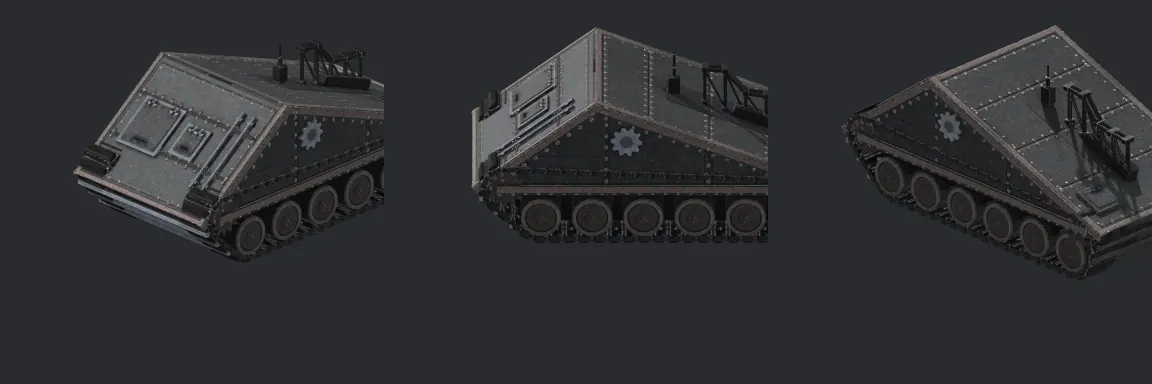
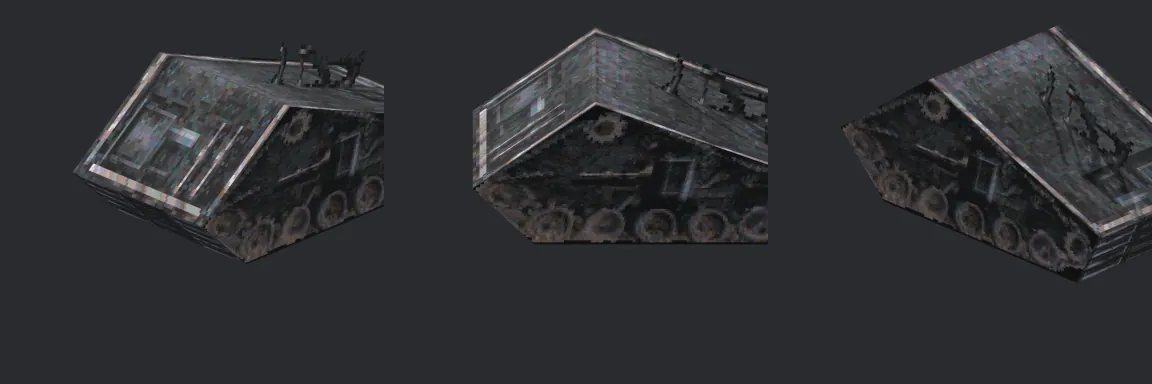
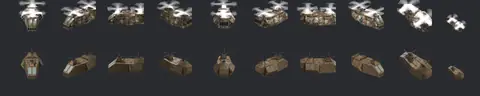
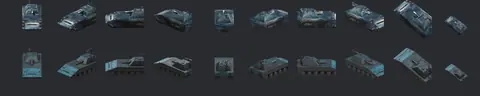
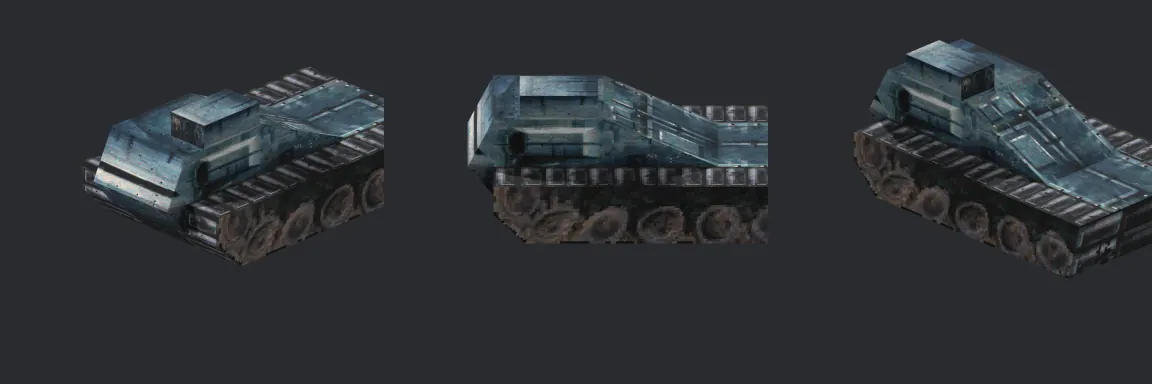
A faithful remaster: same designs, modern detail. The silhouette, proportions, colour blocking and part layout of every 1998 model must survive.
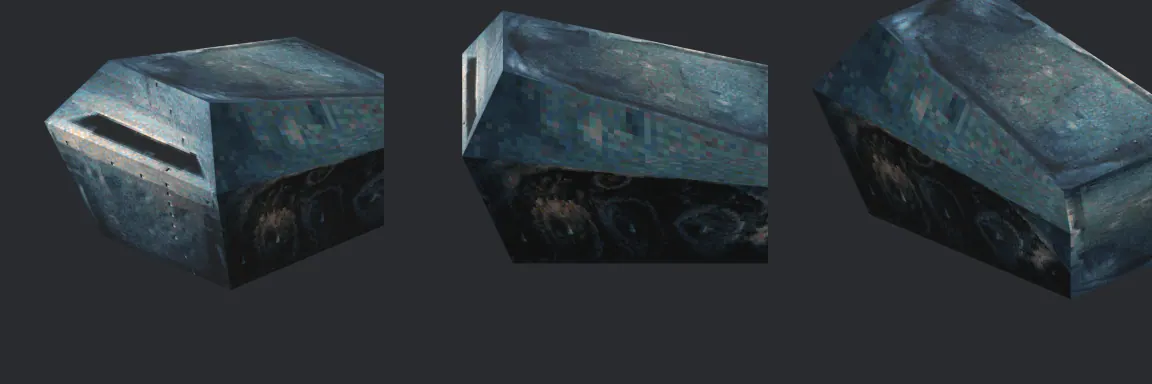
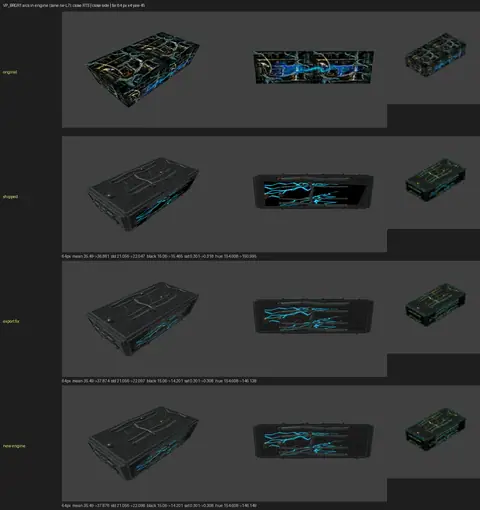
The original model sets the shape: size, outline, pivot, where the gun fires from. A concept sheet sets how much detail we aim for. Where they disagree, the original wins at the distance you actually play at, and the detail wins up close.
So a unit reads like its 1998 self from the commander's chair, and like a real machine when you drive it. The Tiger's barrel stays pale, like the original, so it reads right from far away. Up close it's painted steel.
02
Battle-worn, never toy-clean
Dense wear, grit, chips, scratches, dust and mud, soot, a little rust at rivets and seams. Fine grit is not a defect.
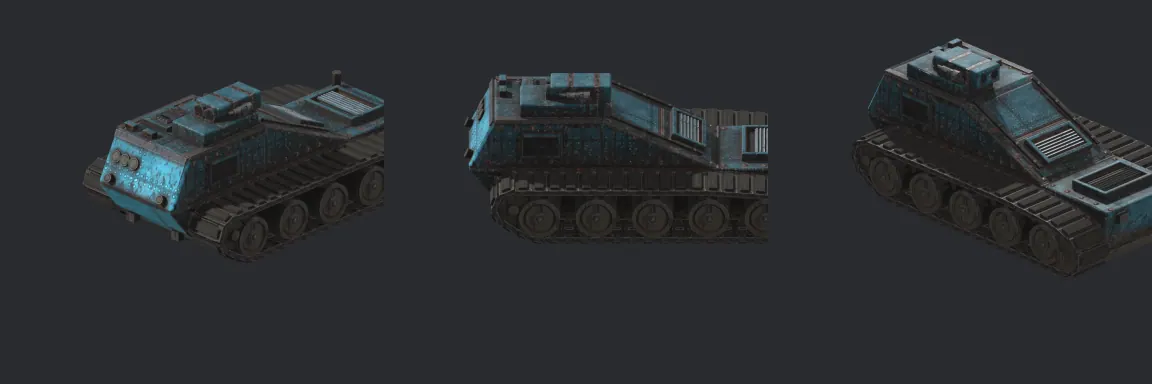
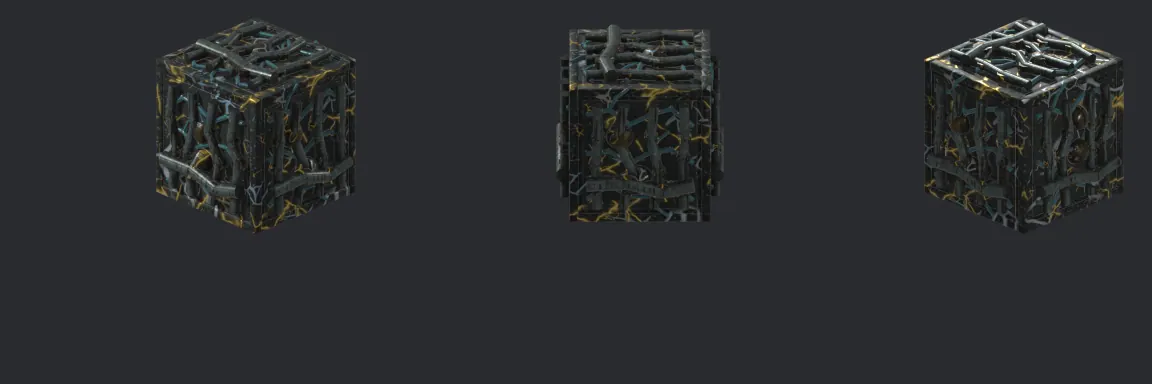
The pilot tank went through nine versions. The reviewers liked the cleaner v8 and v9. I didn't, and overruled them twice. v7 looked rugged and worn in, like something that had actually been in a fight. v8 and v9 looked fake, almost like toys.
Then, on the shared wear layer that every unit now uses, the note was simply: go even more worn.
If it looks like it came out of the box, it looks wrong. These machines have been at war for years.Amelia
03
No camo patches
Surface colour stays close to the original steel. Variation is a fine speckle, never patches.
An early version came out with blotchy grey-blue patches. It looked like a paint job nobody asked for. Now readability problems get fixed with light and dark, not with colour splotches.
04
Real machines
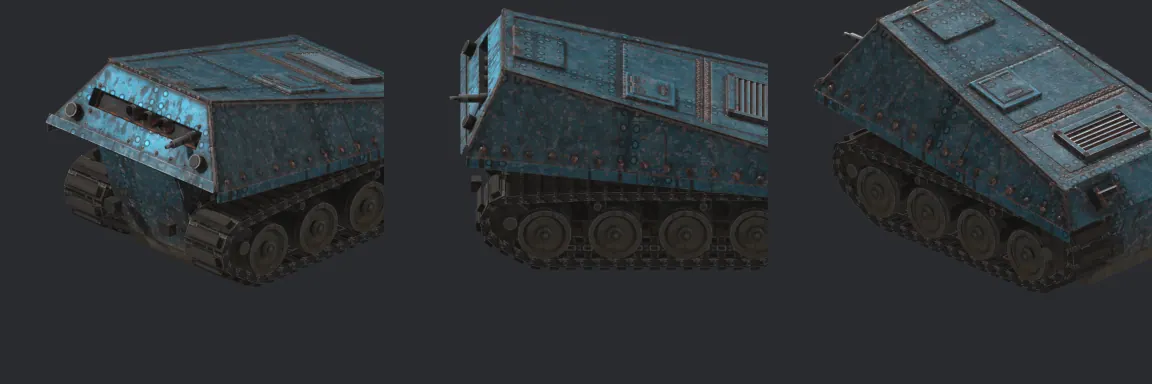
Tracked units get running gear that would actually work, and every unit visibly carries the weapon it fires.
Round road wheels, a toothed drive sprocket that meshes with the track, an idler, return rollers, one continuous track. All inside the original silhouette.
Weapons sit exactly where the game script fires from: a cannon for shells, a pod for missiles, a small MG for the machine gun. If a shot leaves a spot, there is something on that spot.
05
Aliens stay alien
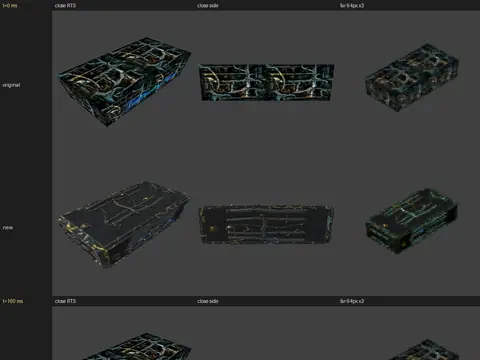
Mykonian and Sulgogar ships have no gun barrels. They fire energy. So the human-style guns we had added came off.
When we went back to the 1998 models, the alien ships turned out to have no barrels at all. Mykonian units fire white plasma. The Black Sect, who are human, keep their guns.
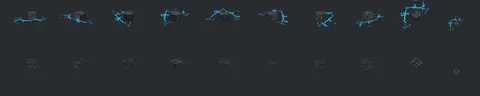
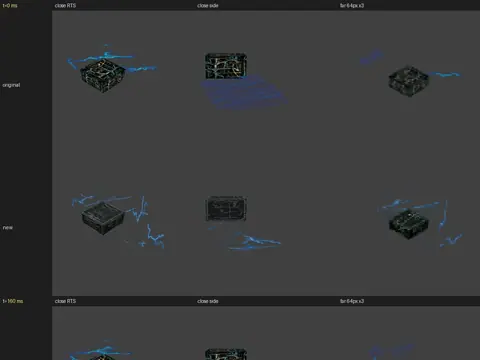
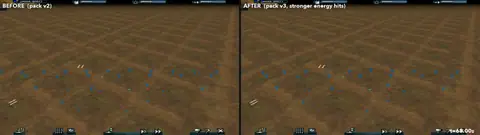
Then the yellow and whitish glow of the originals came back, stronger, with a faint blue on some white parts. And the electricity had to move: as they drive and fight, electric blue should arc off them, crawling and snapping across the hull.
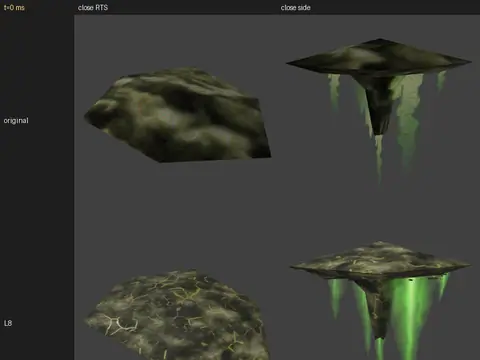
The Sulgogar stay green and yellow, with tendrils that glow and pulse.
06
Buildings that look like a war happened (but not too soon)
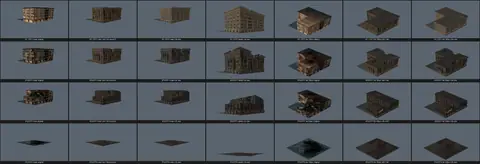
Each building set gets its own shapes, and damage gets progressively worse per stage.
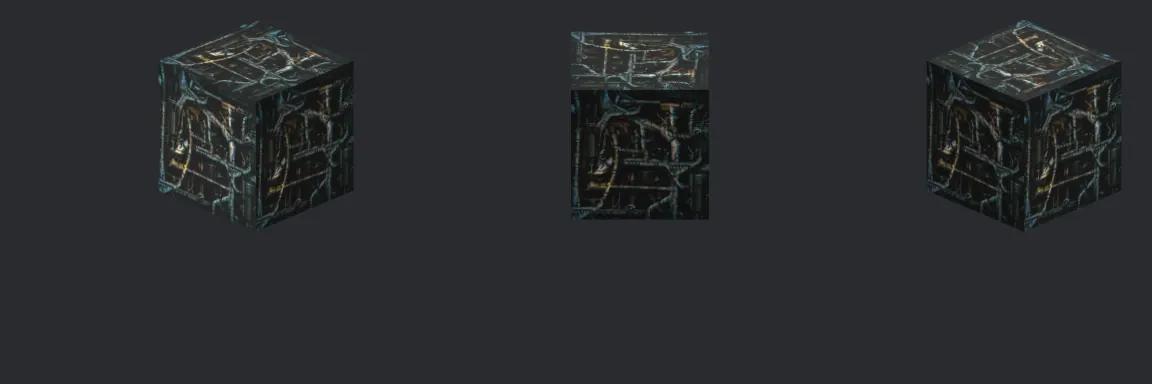
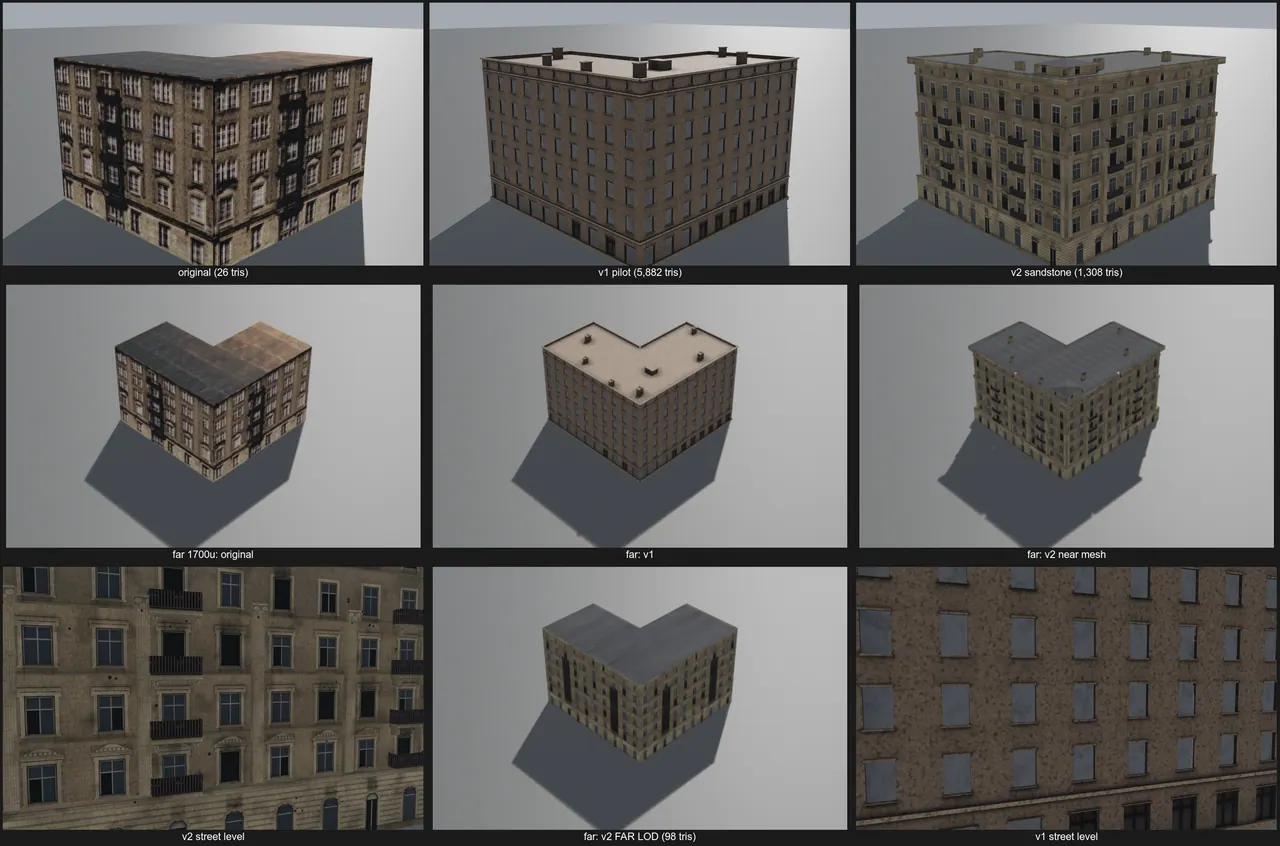
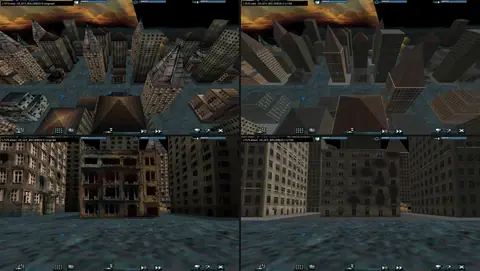
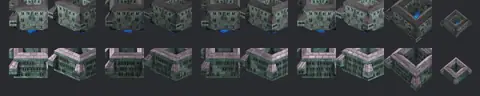
No shared hero mesh: every set has its own forms. The CITY1 block got the sandstone fronts of the original back, balconies and pilasters included.
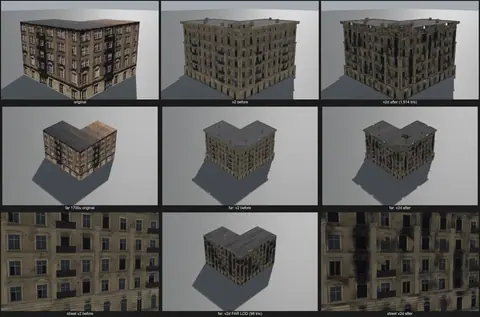
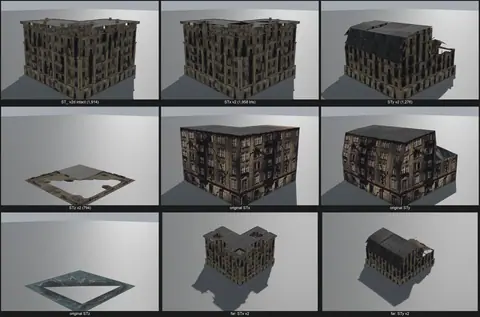
Damage took two pushes in opposite directions, and both were right. First: the damage has to be much clearer. A round later: from afar, the intact stage already looked too bashed up. Intact should be clean-ish and get worse with every stage. And like 1998, parts of the building go missing as it dies.
The newest towers got the opposite note again: too clean and flat. Bigger jagged holes and warm rust scorch are next.
07
Host stations should look like the box art
The host station is your whole base, so it gets the most attention.
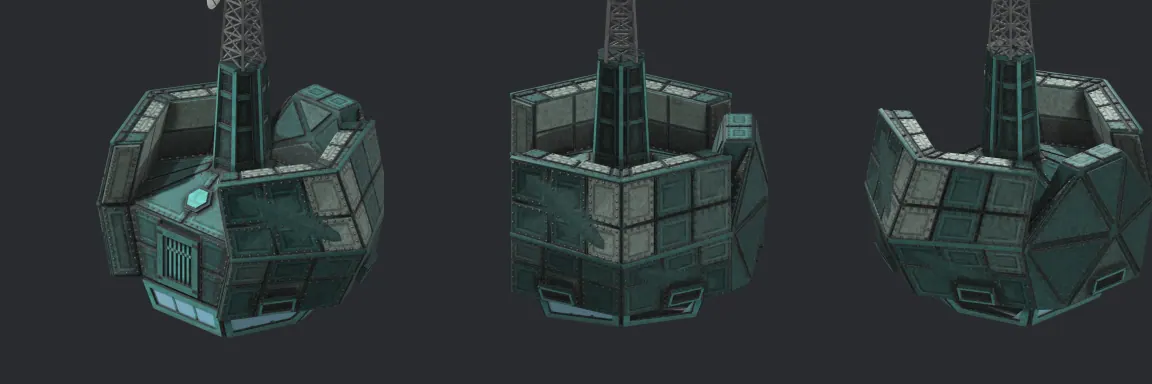
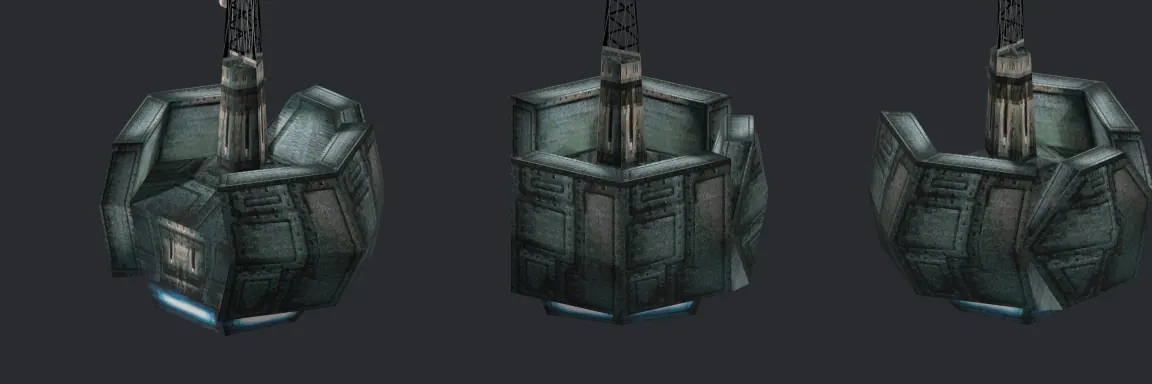
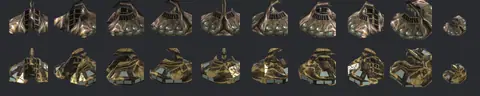
The Resistance station got its white plates and painted stripes back, and a bigger satellite dish you can actually see from the field. Ghorkov's station needed more shine, so it's glossy brass with chrome streaks now. Taerkasten keeps its green, just a touch whiter and brighter.
08
Every new thing can be switched off
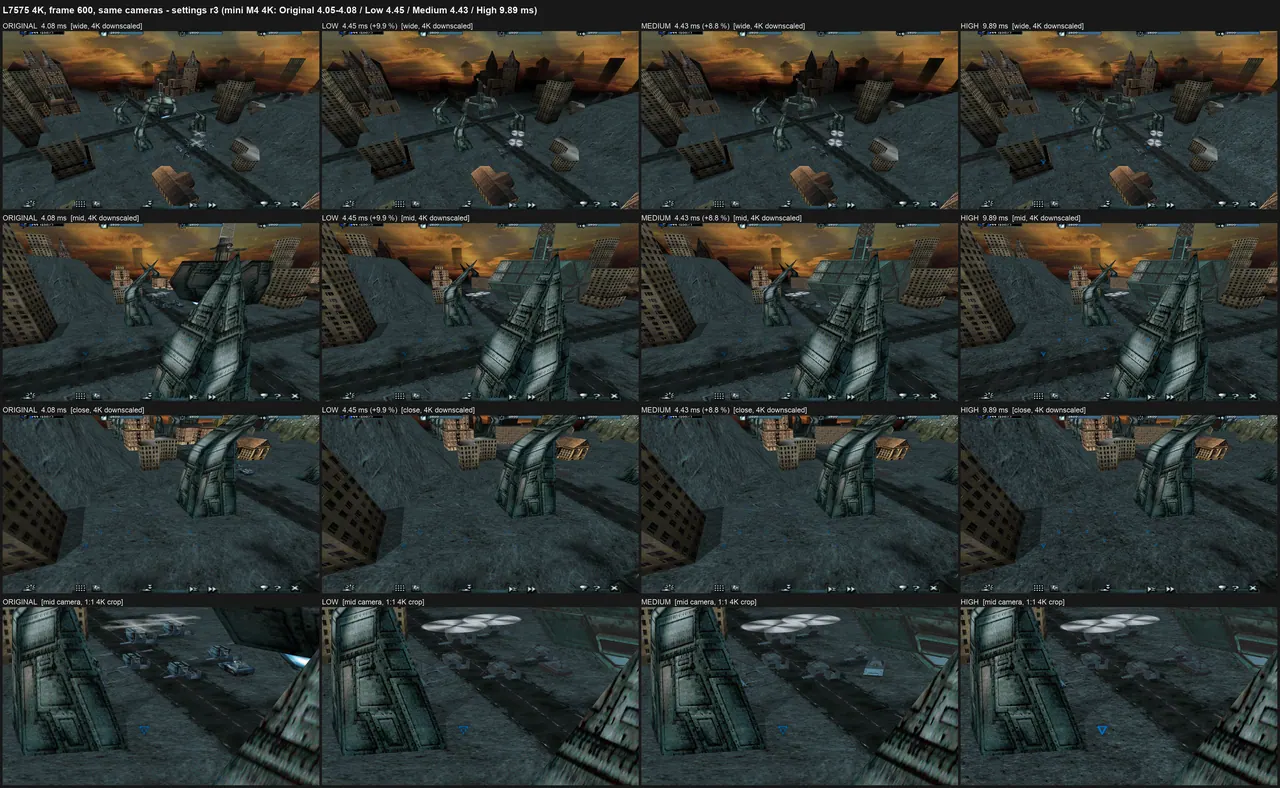
Every feature has levels and sits in a preset. "Original" means exactly 1998, checked pixel by pixel.
The rule for the graphics wave was: do all of it, but every piece must switch off cleanly, VR stays standalone, and nothing bloats.
That's also why HD models now load only for units a level actually uses. The cost of a remaster turned out to be memory and load time, not frame rate, so that's where we cut.
09
Effects that add, not shout
Shadows, glow, trails and marks should make the battle easier to read, not harder.
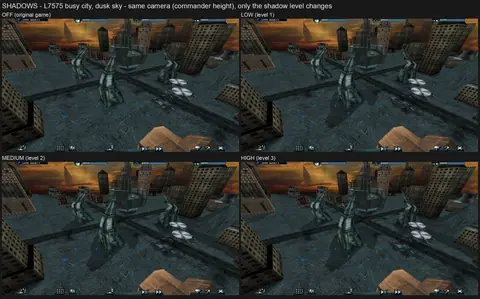
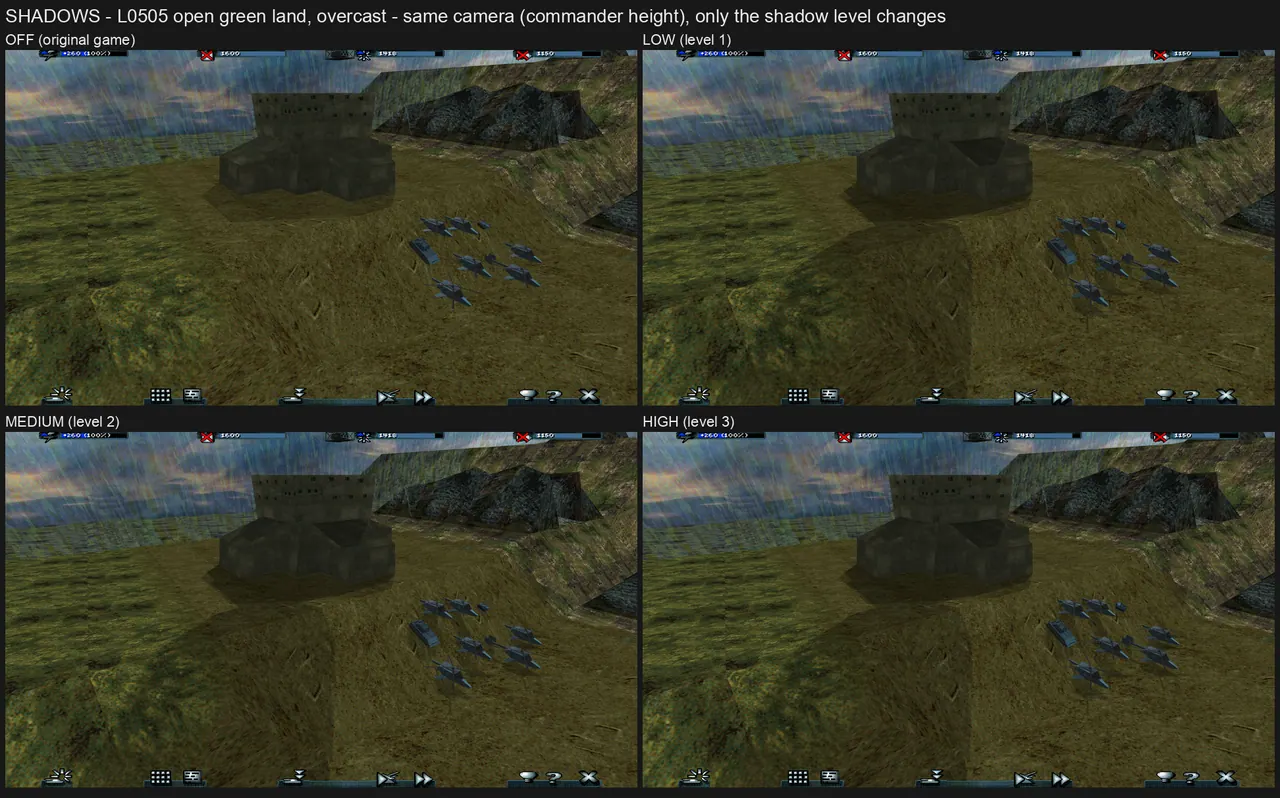
Shadows: soft edges, 20% darkness, and a lighter version of the host station's huge shadow. Hills don't cast.
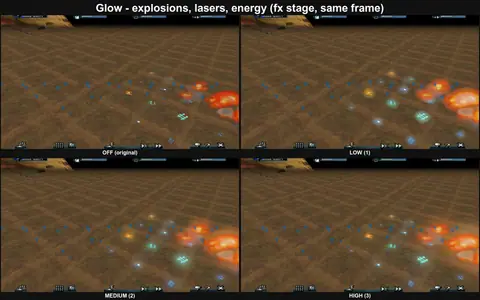
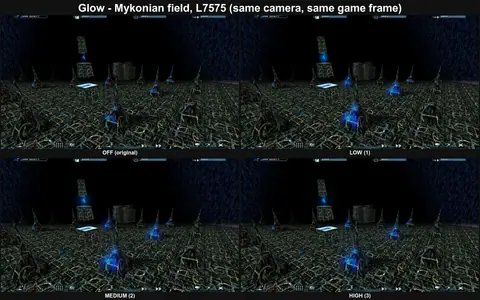
Glow: only fire, energy and lasers. Markers stay crisp. Higher levels mean more glow, not less (an earlier build had it backwards).
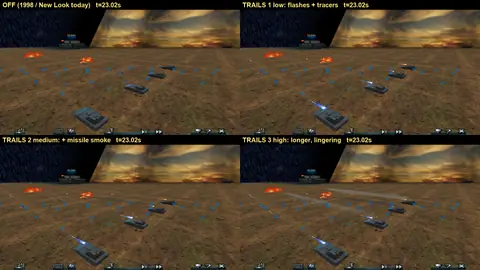
Trails: 1998 had no muzzle flash and no tracers. Now there are faction-coloured flashes, realistic tracers, and missile smoke that hangs for about four seconds on High. The old orange bead trail on the FIRESTORM rocket is being replaced.
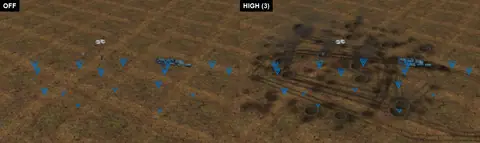
Battle marks: scorch gets lighter and dustier, craters are good as they are, tracks on High only, and everything fades after about six minutes.
10
Our own work, recorded
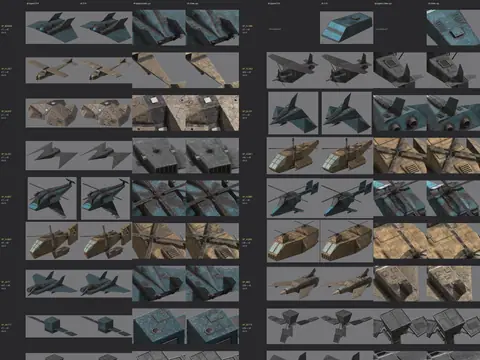
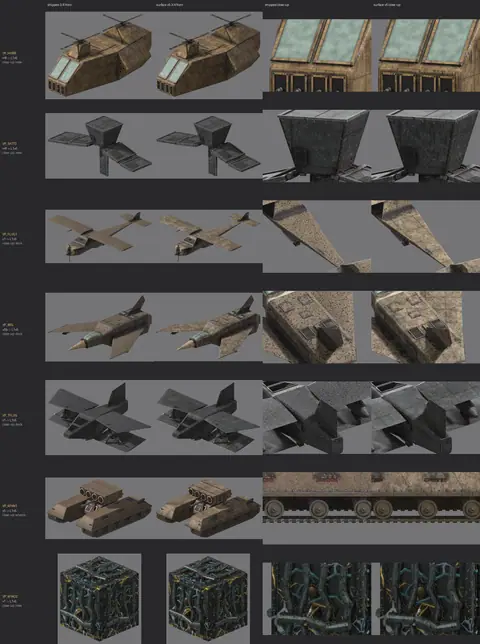
Every mesh is designed by hand in Blender. No image-to-3D tools. Every asset has a provenance record.
Concept images are references only, never pixels in a texture. Each asset has a provenance row: inputs, tools, author, date.
Honest bit: early concept sheets and the first texture, UI and video upscales were made with AI tools. Those are flagged, kept off this site's gallery, and will never be offered as downloads. The menu icons are next: they're being rebuilt with modern, non-AI tooling, with modernised menu art to match.
11
VR: comfort first, then wonder
Nobody remembers a cool feature if it made them feel sick. Comfort ships first.
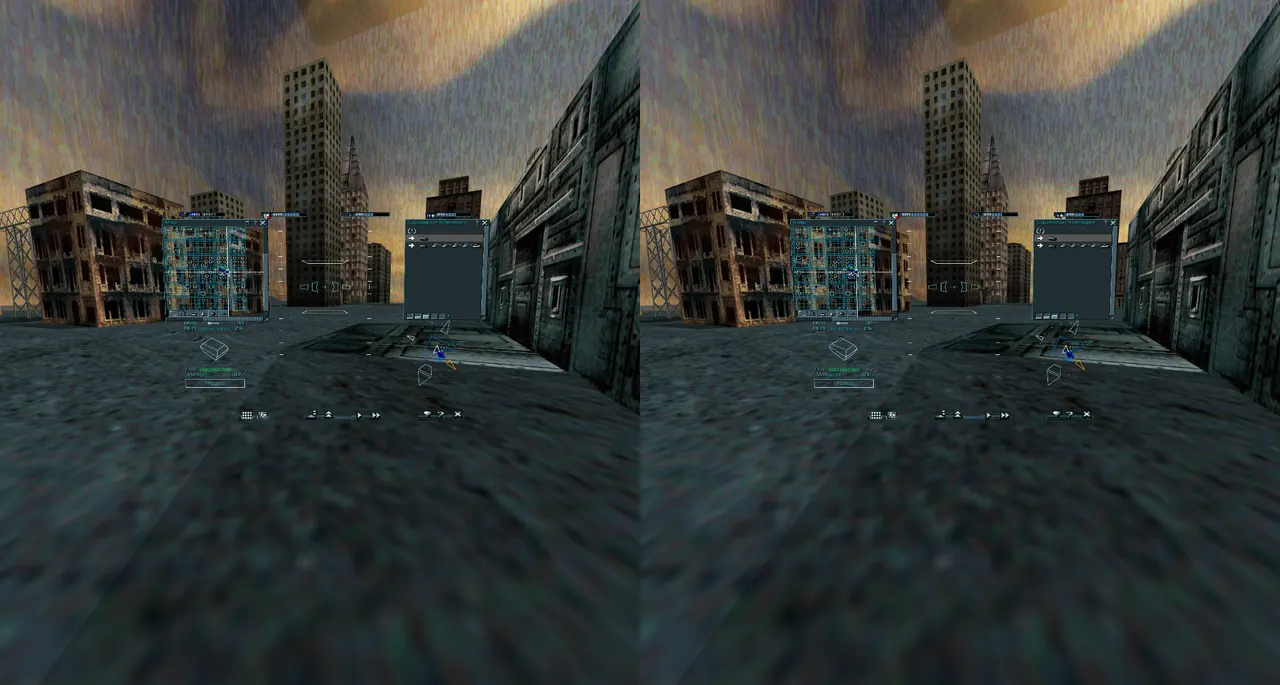
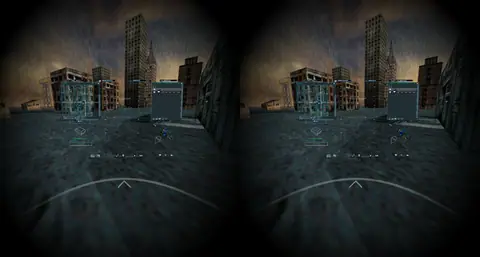
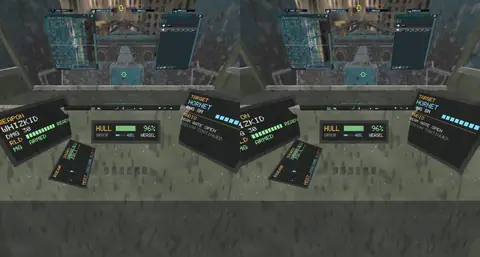
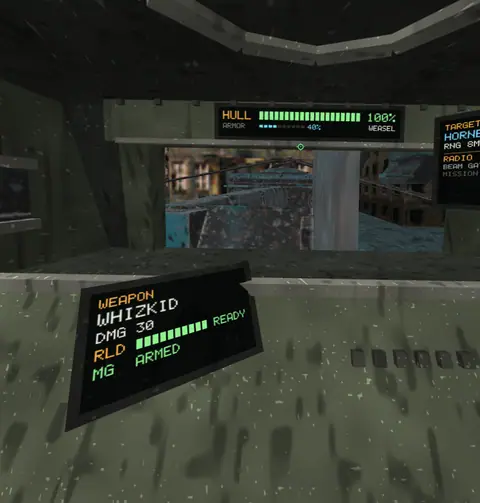
The first headset session came with a lot of vertigo. So comfort came before features: level horizon, bump filter, tunnel vision with levels, a crosshair on the gun's real ray, and a smaller world scale.
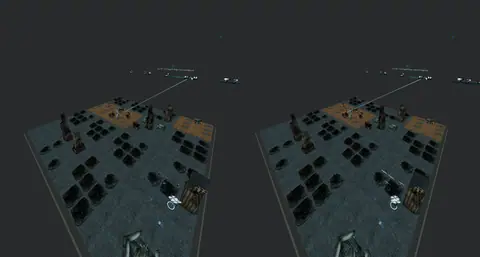
Then the big idea: see the actual little vehicles fighting on the actual map, and put that on an actual table. The diorama replaced a token war table that didn't add much. In the headset, it's the thing that makes people go quiet.