Editions
Four ways to play. One game underneath.
Same Urban Assault in every one of them. What changes is how much of 1998 you keep, and whether you're holding a mouse or a Quest controller.
The 1998 original, untouched
Classic
Frozen at 0.5
Urban Assault as Microsoft and TerraTools shipped it in 1998: half real-time strategy, half vehicle shooter. You command from a Host Station, build squads, and jump into any tank, helicopter or jet you own. Here it runs natively on Apple Silicon Macs on OpenUA, Marisa-Chan's open-source re-implementation of the engine.
- Same game, same art, same rules. Including Metropolis Dawn (Ghorkov and Taerkasten campaigns).
- Classic 0.5 is a frozen build that never changes. It is the reference we check everything against.
- Game data is yours. It is Microsoft's copyright and never part of anything we ship.
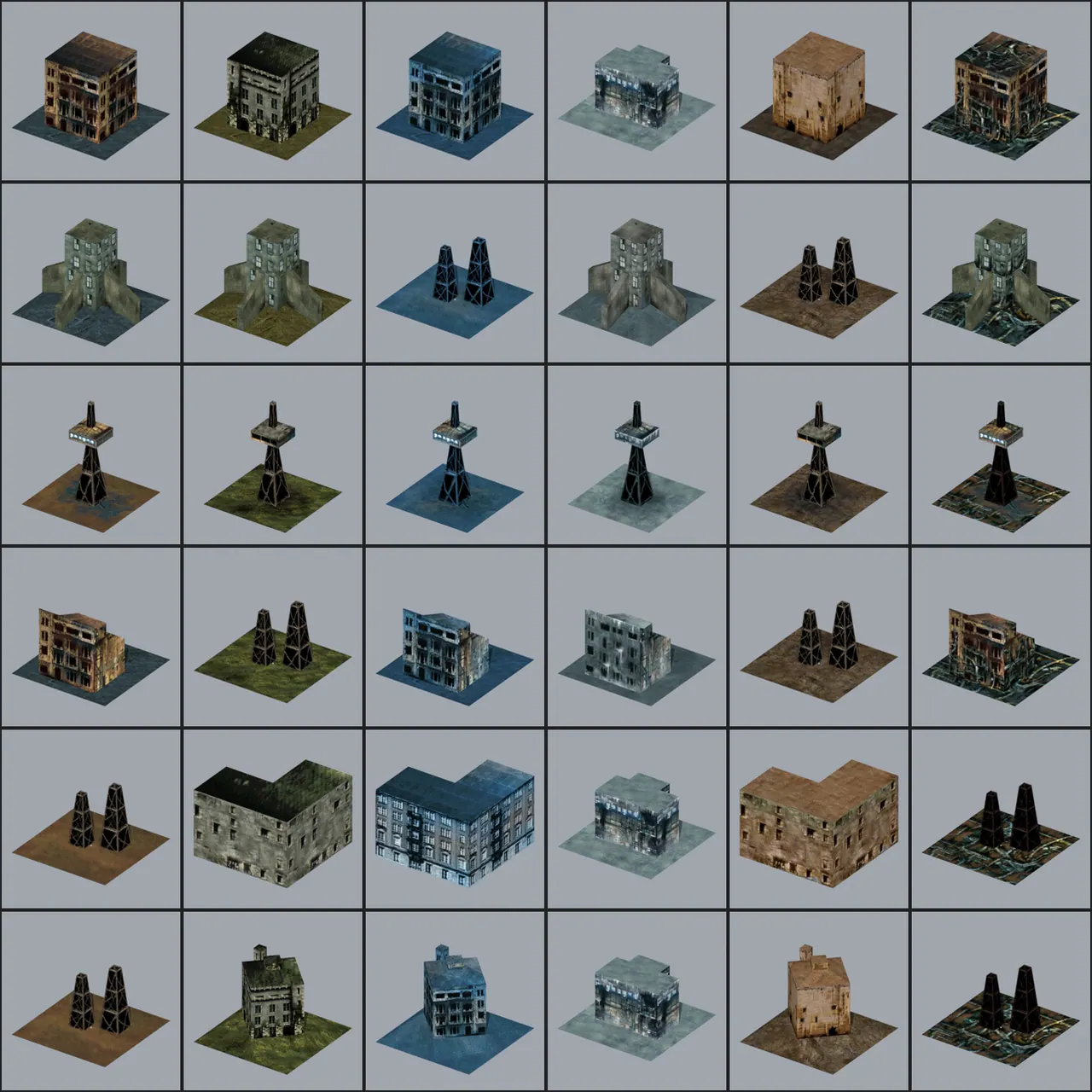
The original, with the rough edges sanded off
Reforged 0.6
Frozen at 0.6
Same models, same art, a sharper picture and a smarter enemy. This is the build where the project got its name. It's frozen now, so the New Look can move fast without breaking it.
- Native resolution, crisp UI text at any size, a 3x HUD.
- Draw distance raised from 9 to 17 sectors, for almost no cost.
- DualSense and game controllers, with rumble you can switch off.
- An AI commander with 46 tunable constants and an influence-map brain, tested on 21 recorded A/B runs.
- Radio chatter: 84 hand-written lines in the game's own message ticker.
- Multiplayer between copies of our engine over a private network.
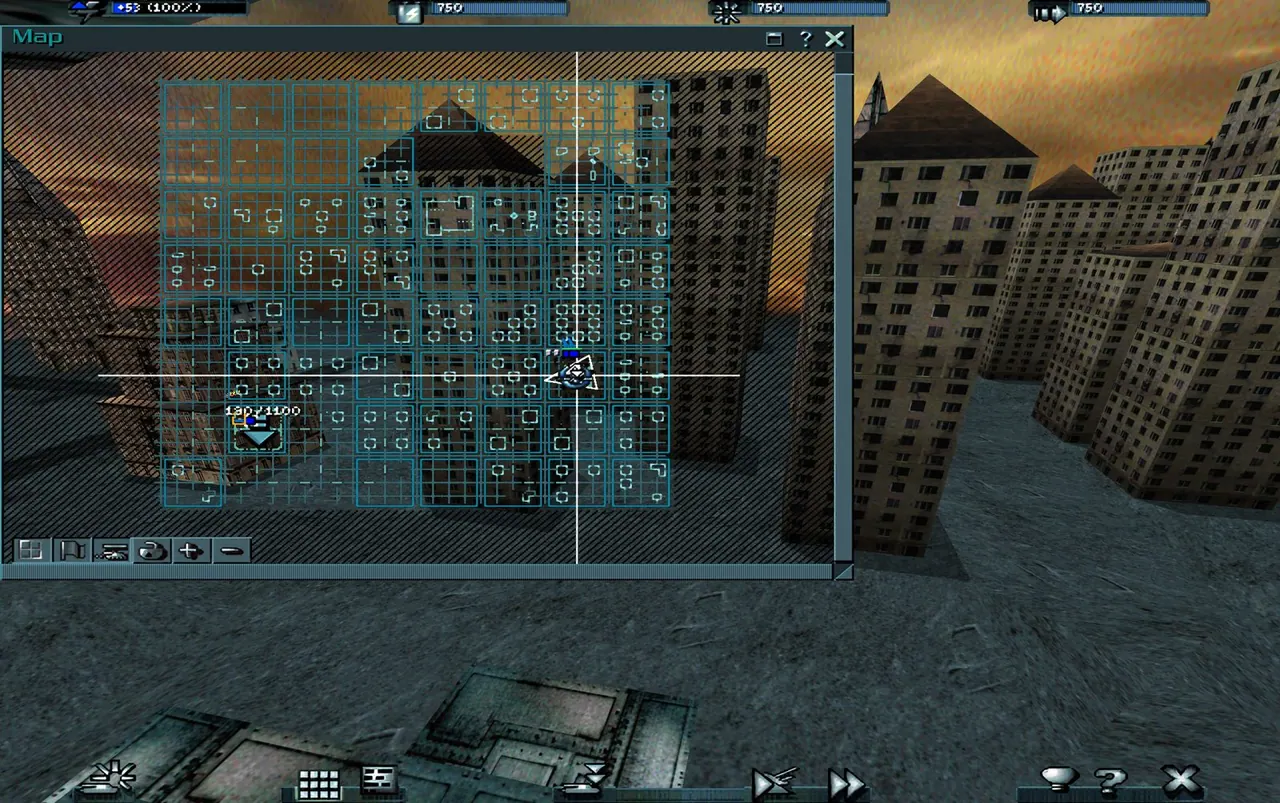
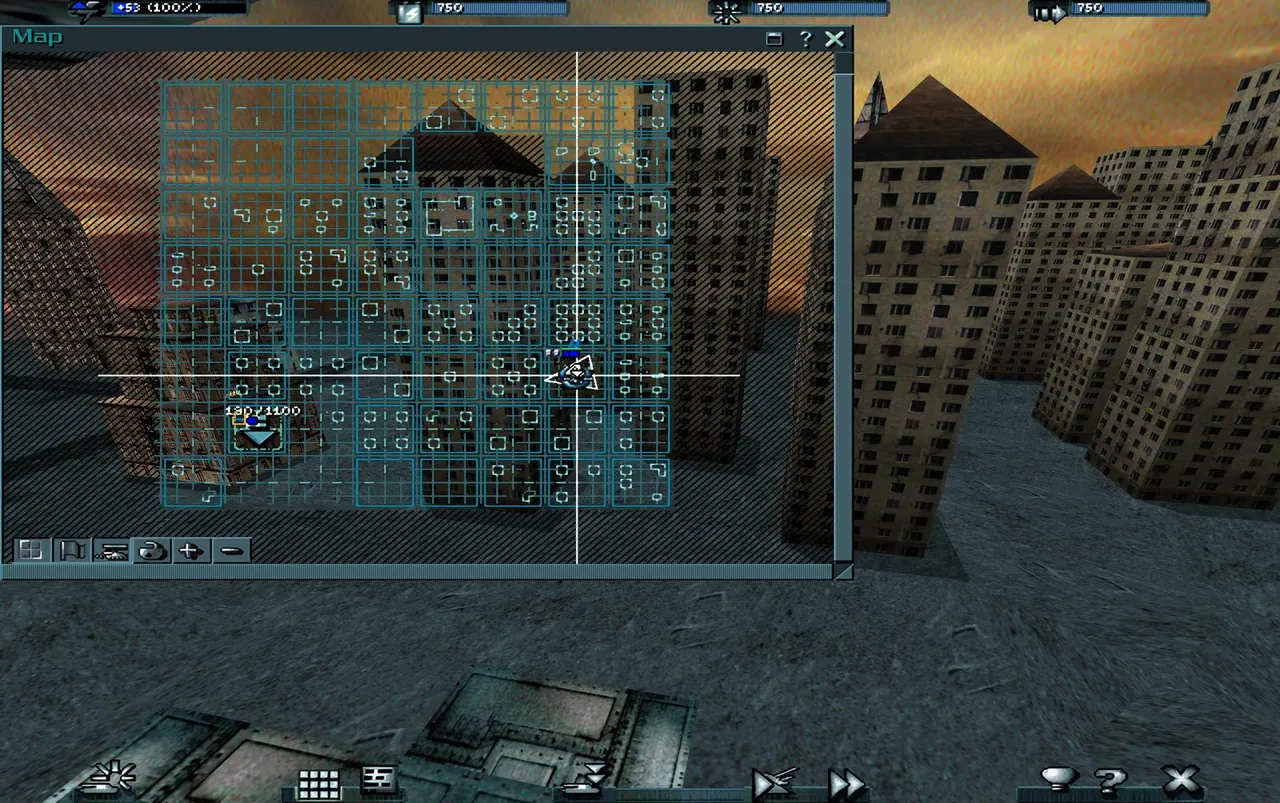
The flat remaster. Faithful, but battle-worn.
New Look
In active development
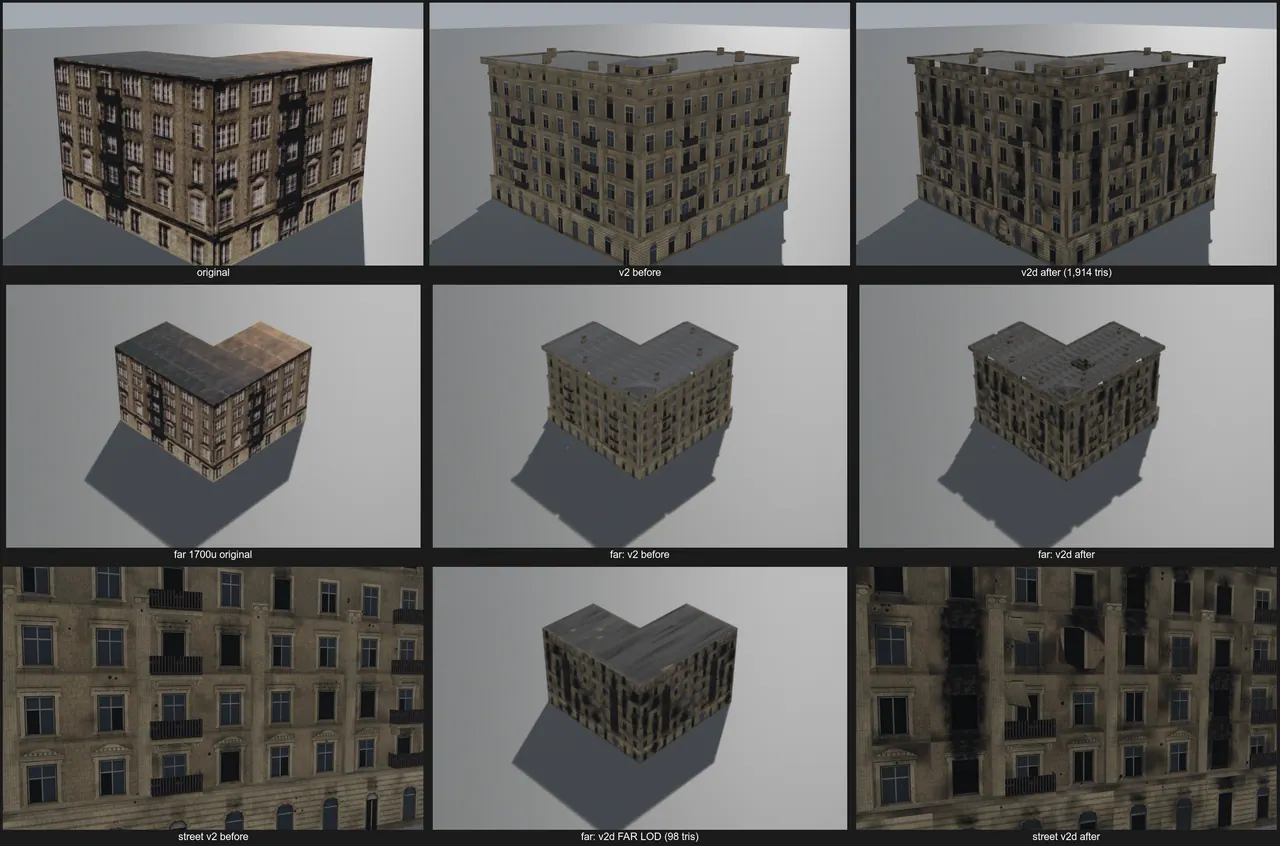
Reforged with new 3D work, built by hand in Blender and in the engine. Same silhouettes and colours as 1998, modern detail, real wear. Every remastered model drops in at the original size and fire points, so the game plays exactly as it did.
- Remastered vehicles for all five factions, including the Metropolis Dawn ones, on one shared worn surface.
- Host stations for Resistance, Ghorkov, Taerkasten, Mykonian and Black Sect. Plus the train.
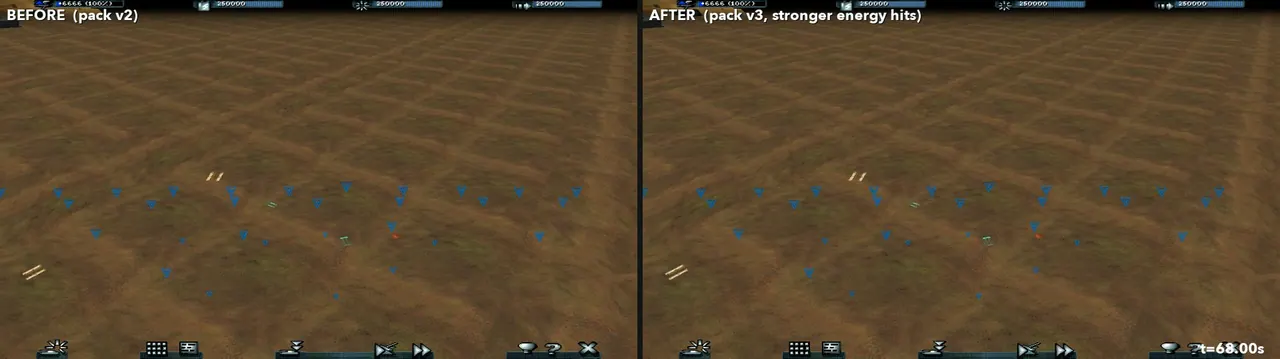
- Softer smoke, stronger laser and lightning hits, animated electric arcs on the aliens.
- The CITY1 apartment block with damage stages. More towers in review.
- A graphics menu with presets from Original (pixel-identical 1998) to Ultra.
Standalone on Meta Quest 3. No PC.
VR
In play testing
A separate VR edition running natively on the Quest 3 inside our engine, using the New Look models. Sit in any open cockpit, or put the whole battlefield on your real table and command it like a general with very small toys.
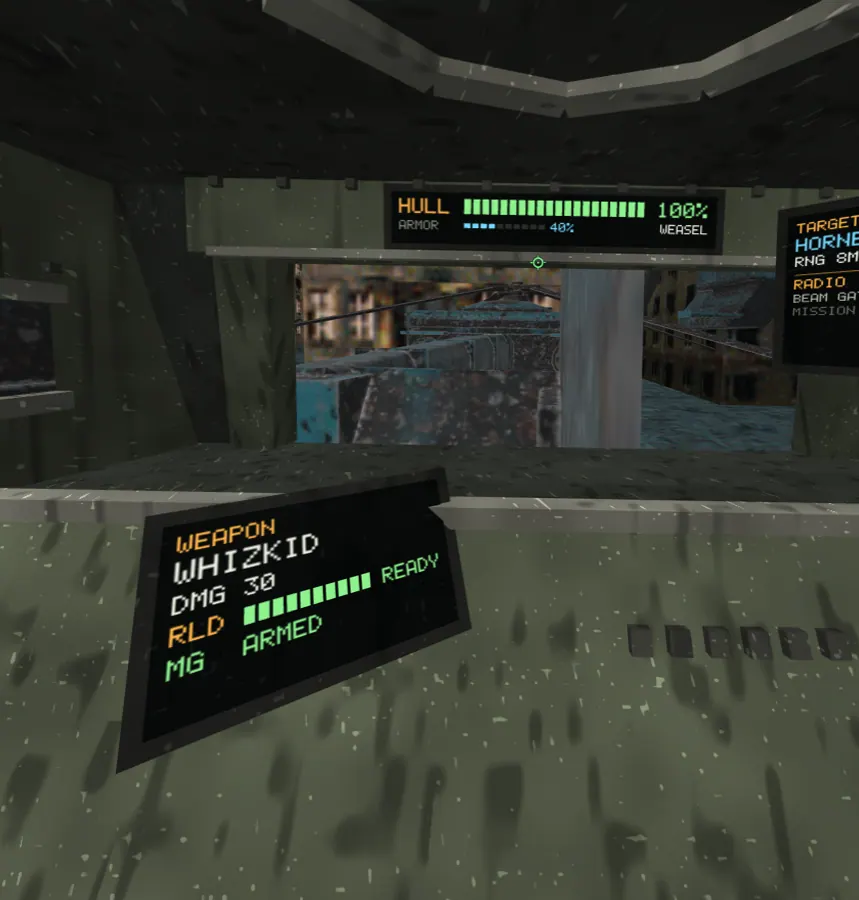
- Classic VR: open cockpits, a readable dash, a target card. Haptics instead of camera shake.
- Comfort first: level horizon, bump filter, tunnel vision you can tune.
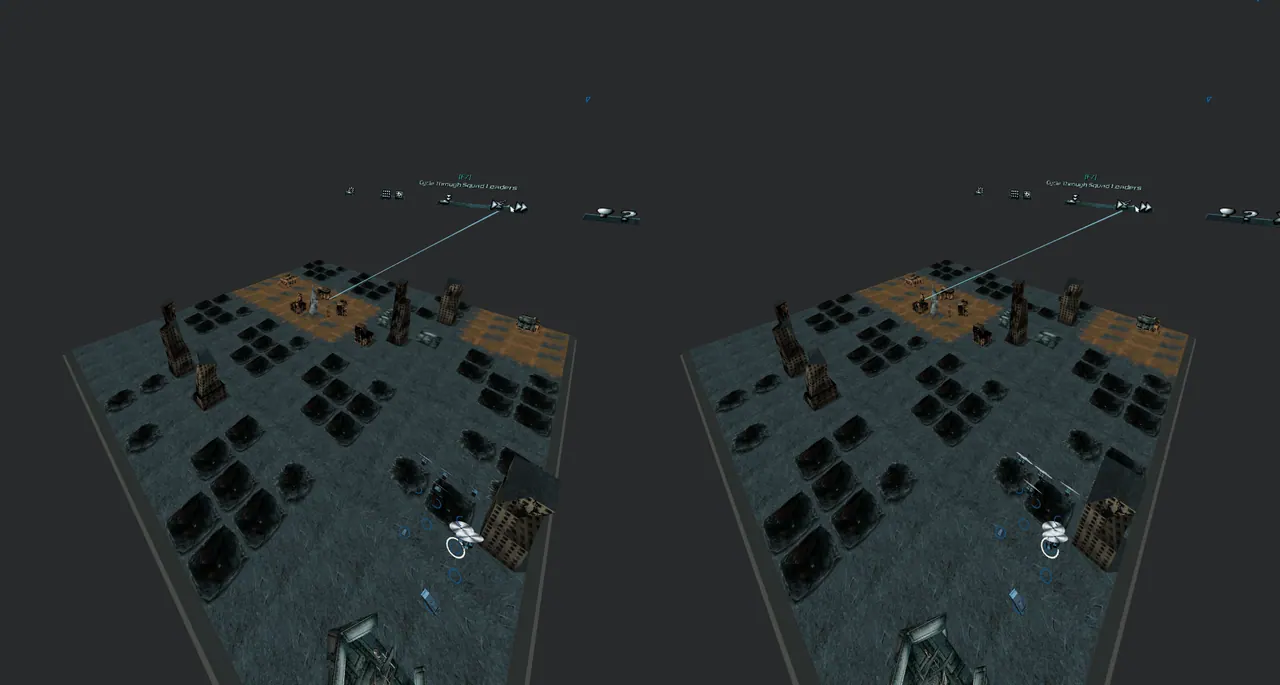
- Living diorama: the real battle in miniature on your table through passthrough. Grab a unit and dive in.
- Commanding by hand: a build wheel over the miniature, laser-pointer orders, floating bridge screens.
- 120 Hz in combat. The biggest maps fit on the table after sector batching.
Graphics presets
From pure 1998 to everything on.
One menu inside the game's own Options page, with a "back to original" button and a first-launch benchmark that picks a preset for your machine. Every feature has its own levels, so you can mix and match.
Original
Pixel-identical to 1998. Checked frame by frame.
- New Look models Off
- Shadows Off
- Glow Off
- Floor detail Off
- New skies Off
- Trails & flashes Off
- Battle marks Off
- UI upscaling Off
For purists, and for us: it is the reference every other preset is measured against.
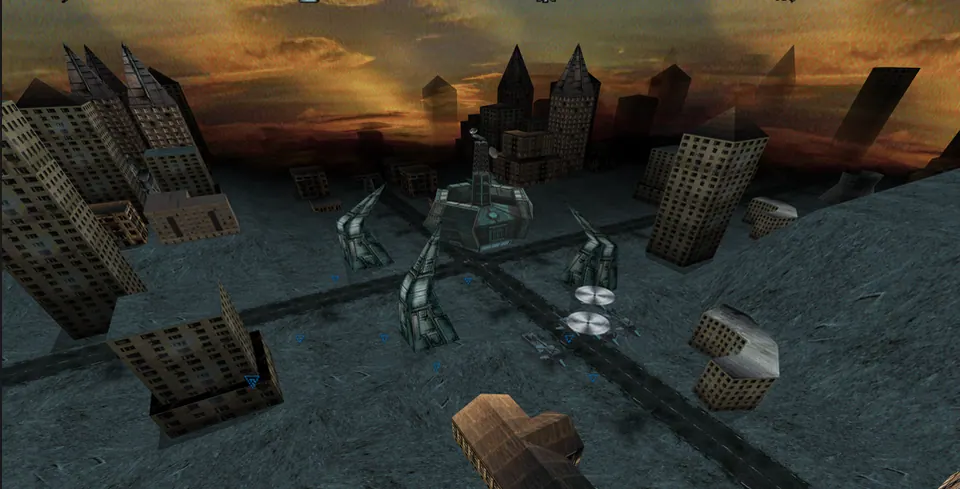
Low
New models on a cheap path for small machines.
- New Look models Low
- Shadows Off
- Glow Off
- Floor detail Off
- New skies Off
- Trails & flashes Low
- Battle marks Off
- UI upscaling Off
Shadows, glow, floor and UI upscaling off. About 4.45 ms a frame at 4K on a Mac mini M4.
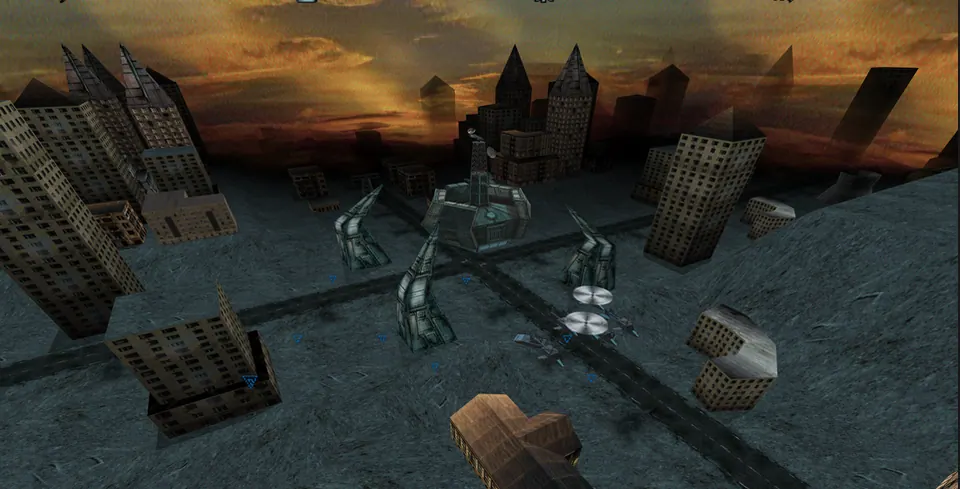
Medium
Adds low shadows and a little glow.
- New Look models Medium
- Shadows Low
- Glow Low
- Floor detail Low
- New skies Low
- Trails & flashes Low
- Battle marks Low
- UI upscaling Off
The sweet spot for most laptops.
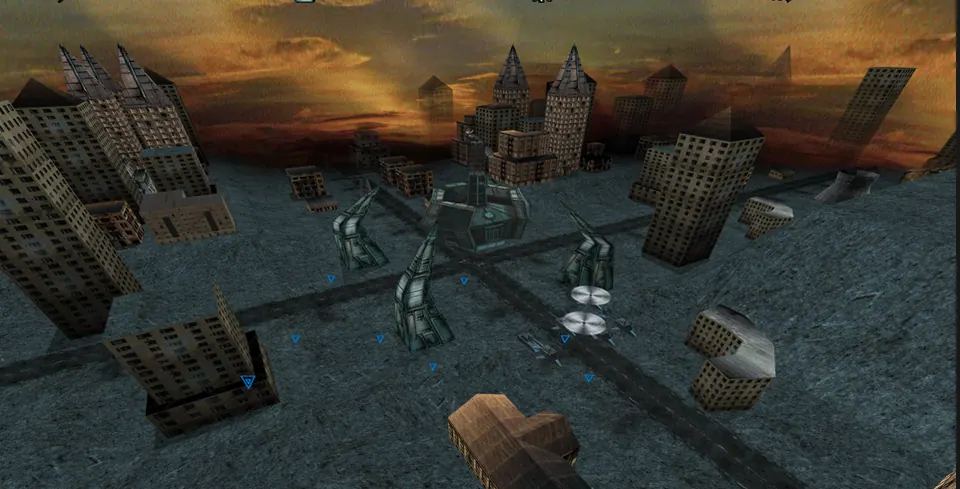
High
Today's New Look, plus medium shadows and more glow.
- New Look models High
- Shadows Medium
- Glow Medium
- Floor detail Medium
- New skies Medium
- Trails & flashes Medium
- Battle marks Medium
- UI upscaling Low
Around 98 to 101 fps at 4K in a busy city level on a Mac mini M4.
Ultra is still growing. A proper capture comes when it's done.
Ultra
Everything on, including the extra-sharp 4K UI step.
- New Look models High
- Shadows High
- Glow High
- Floor detail High
- New skies High
- Trails & flashes High
- Battle marks High
- UI upscaling High
More is still being added here. No capture yet that does it justice.
VR runs on the headset, so a flat screenshot would lie a little.
VR
Only what the Quest 3 can afford at 120 Hz.
- New Look models Medium
- Shadows Off
- Glow Off
- Floor detail Low
- New skies Low
- Trails & flashes Low
- Battle marks Off
- UI upscaling Low
Shadows and glow off. In a headset, frame rate is comfort, so it wins every argument.
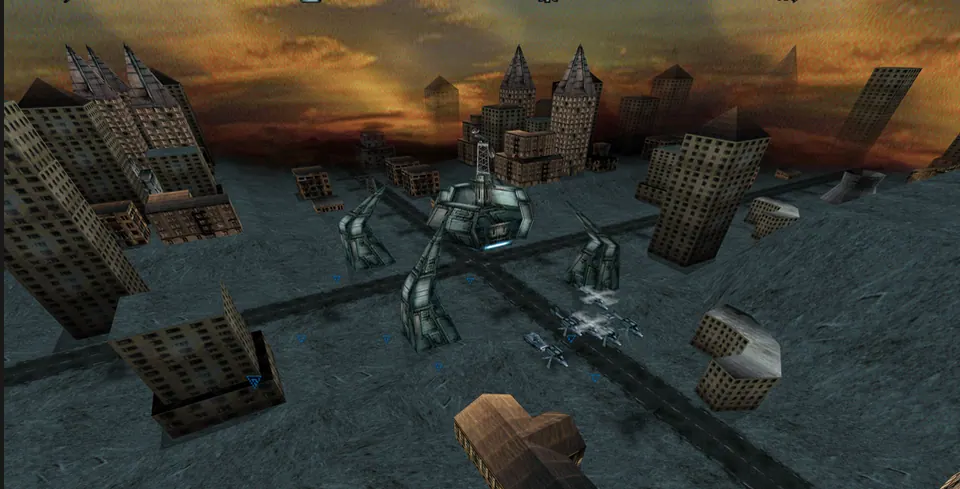
Screenshots: the same frame of a busy city level at 4K, one per preset. Exact feature levels per preset are still being tuned, so treat the meter as a guide.
What it actually costs
Most of these features cost close to nothing per frame on an M2 Max. The real price of a remaster is memory and load time: HD models add about 1 GB and several seconds on a big level. So HD models now load only for the units a level actually uses, which took one big level from 9 seconds to 6.3.
System needs (what we actually know)
| Edition | Known to run on | Not tested yet |
|---|---|---|
| Classic / Reforged 0.6 | Apple Silicon Macs (macOS 11+ for the packaged build). A Windows 10/11 64-bit installer was built and tested once on a gaming PC. | Intel Macs, Linux, minimum specs |
| New Look | MacBook Pro M2 Max, Mac mini M4 (16 GB) | Windows build, minimum RAM and GPU |
| VR | Meta Quest 3 (standalone) | Quest 2, Quest Pro, Quest 3S, PC VR |